Watercolor Blooming Ceiba Trees. Spring Illustrations
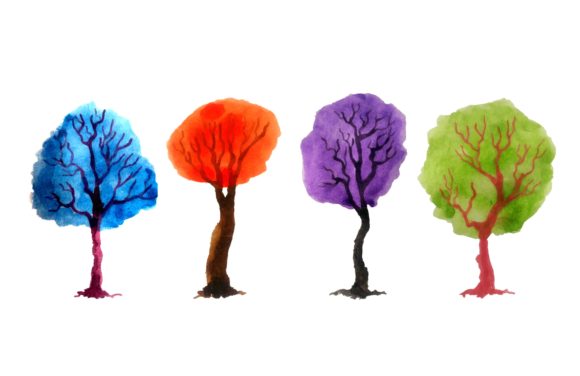
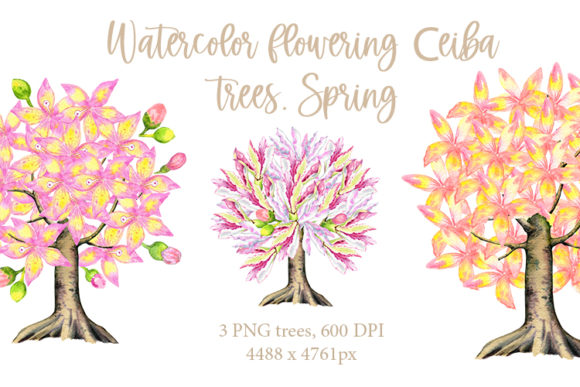
The Watercolor Blooming Ceiba Trees. Spring illustration immediately evokes a sense of natural beauty and seasonal warmth. Its soft, flowing lines and vibrant floral details create a gentle, inviting mood that suggests a brand personality rooted in nature, creativity, and authenticity. This graphic design asset feels ideal for small business branding that values handmade quality, organic aesthetics, and a connection to the environment.
Understanding the Mood and Brand Personality
This illustration exudes a soft, decorative charm that leans toward the feminine and artistic. It feels like a perfect fit for a boutique store, a local bakery, or a handmade soap business looking to express a touch of elegance and whimsy. The watercolor style adds a handcrafted feel, making it especially appealing for businesses that want to communicate a personal, artisanal touch.
For a skincare brand or a florist, this design could serve as a visual anchor that reinforces a commitment to natural ingredients and seasonal themes. It also works well for a children’s product line or a home decor shop aiming to create a warm, welcoming atmosphere through its branding.
Practical Applications in Local Business Design
Watercolor Blooming Ceiba Trees. Spring is a versatile graphic design asset that can be used across multiple aspects of a small business’s visual identity. From logo design to packaging design, this illustration offers a cohesive look that can elevate a brand’s overall presentation.
- Product Labels: Use the illustration as a background or accent on product labels to add visual interest and reinforce brand storytelling.
- Packaging Design: Incorporate it into box designs, gift wraps, or eco-friendly paper bags to create a memorable unboxing experience.
- Social Media Graphics: Feature the illustration in promotional posts, Instagram stories, or Facebook ads to attract attention and build brand recognition.
- Printable Design: Apply it to thank-you cards, stickers, or seasonal promotions to maintain a consistent aesthetic across all customer interactions.
- Web Design: Use it as a header image or background element on a website to create a visually engaging online presence.
Supporting Business Presentation
When integrated thoughtfully, Watercolor Blooming Ceiba Trees. Spring can significantly enhance a business’s professional branding. It helps create a stronger first impression by adding a unique visual element that stands out from generic stock images.
This design asset supports better product recognition by offering a distinctive visual signature that customers can easily associate with the brand. It also improves visual hierarchy by guiding the eye through a clean, organized layout that balances decoration with readability.
For a local business, using this illustration can help establish a more consistent brand identity, which in turn builds customer trust. It also enhances the professionalism of packaging design, making products more appealing on shelves and in online marketplaces.
Where Watercolor Blooming Ceiba Trees. Spring Works Best
This illustration thrives in applications where visual appeal and emotional connection are key. It excels as a hero graphic on a product page, a decorative element on a business card, or a central motif in a seasonal campaign.
- Product Mockups: Showcase the illustration on sample packaging to visualize how it will look when printed.
- Seasonal Packaging: Use it to create limited-time designs that align with springtime themes and consumer trends.
- Social Media Campaigns: Develop graphics that reflect the brand’s seasonal story and engage followers with visually rich content.
- Boutique Visuals: Apply it to signage, window displays, or in-store materials to create an immersive shopping experience.
Where to Use It Carefully
While this illustration is beautiful, it may not suit every design context. Avoid using it in formal corporate branding where minimalism and clarity are priorities. It also requires careful placement on very small labels or crowded layouts, where the intricate details might become lost or distracting.
Do not place it in areas with legal text, ingredient lists, or other critical information that needs high contrast and legibility. In luxury minimalist brands, the ornate style may clash with the desired simplicity. Always test it against different backgrounds and font styles to ensure it complements rather than competes with the message.
Brand Designer Notes: Practical Tips
Before finalizing the use of Watercolor Blooming Ceiba Trees. Spring, consider these practical steps:
- Test it on real packaging mockups: See how the illustration translates to physical materials like boxes, tags, or labels.
- Check black and white usage: Ensure it remains visually appealing without color, especially for print projects.
- Preview it on small labels: Confirm that the details remain clear and readable at reduced sizes.
- Test it with brand colors: Make sure the illustration harmonizes with the existing color palette.
- Compare it with competitor packaging: Ensure it stands out while maintaining a professional appearance.
- Check print quality: Verify that the design prints cleanly and maintains its integrity at scale.
- Review PNG transparency: Ensure it works seamlessly on various backgrounds and digital platforms.
- Inspect SVG or vector editability: Confirm it can be resized and modified without losing quality.
- Test it beside different fonts: See how it interacts with serif, sans serif, script, handwritten, and display fonts.
- Confirm commercial licensing: Make sure it is suitable for client work, business branding, or physical product sales.
Final Thoughts
Watercolor Blooming Ceiba Trees. Spring is a powerful graphic design asset that can bring life and character to a wide range of local business projects. Whether used for product labeling, packaging design, or social media graphics, it has the potential to elevate a brand’s visual identity and create a lasting impression on customers.
As a brand designer, I recommend exploring its versatility in different contexts while remaining mindful of its strengths and limitations. With thoughtful application, this illustration can become a cornerstone of a small business’s creative strategy, helping to build a stronger, more memorable brand presence in the marketplace.